
Understanding Fragrance Concentration
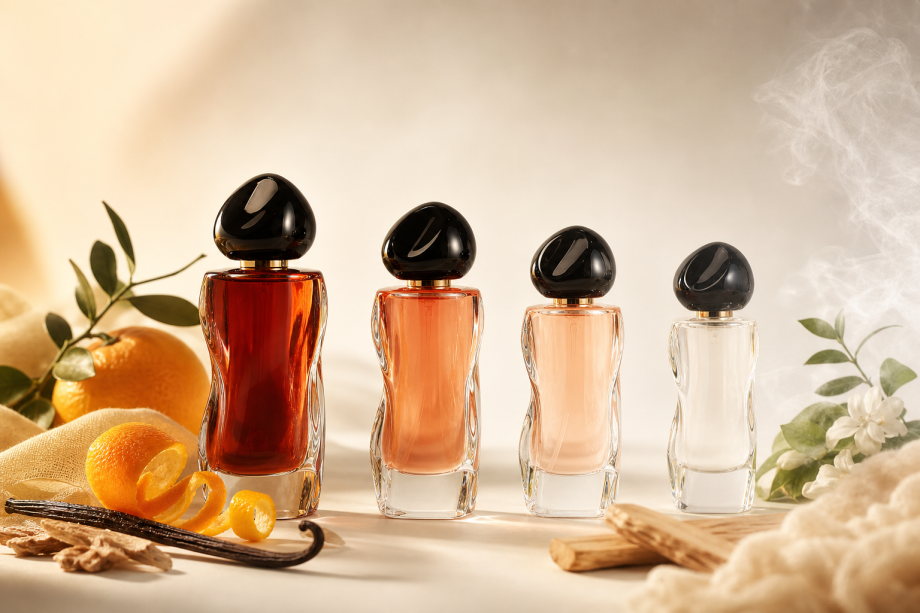
When people talk about fragrance concentration, they are usually referring to the amount of aromatic compounds in a perfume formula. In simple terms, concentration helps determine how long a scent lasts, how strongly it projects, and how it develops on the skin over time.
But concentration is only part of the story. Two fragrances with the same label can still smell very different because of the ingredients used, the balance of notes, and the way the formula is built. That is why one Eau de Parfum may feel much stronger than another, even if both are classified the same way.
Why Fragrance Concentration Matters
Fragrance concentration matters because it shapes the wearing experience. A higher concentration often means a richer scent, stronger performance, and a longer trail on skin or clothing. A lighter concentration usually feels fresher, airier, and more casual.
Still, stronger does not always mean better. A perfume with a high concentration may feel too heavy in hot weather, too intimate for office wear, or simply too intense for someone who prefers a subtle scent. The best fragrance is not the one with the highest concentration. It is the one that fits the person wearing it.
The Main Fragrance Types
Parfum
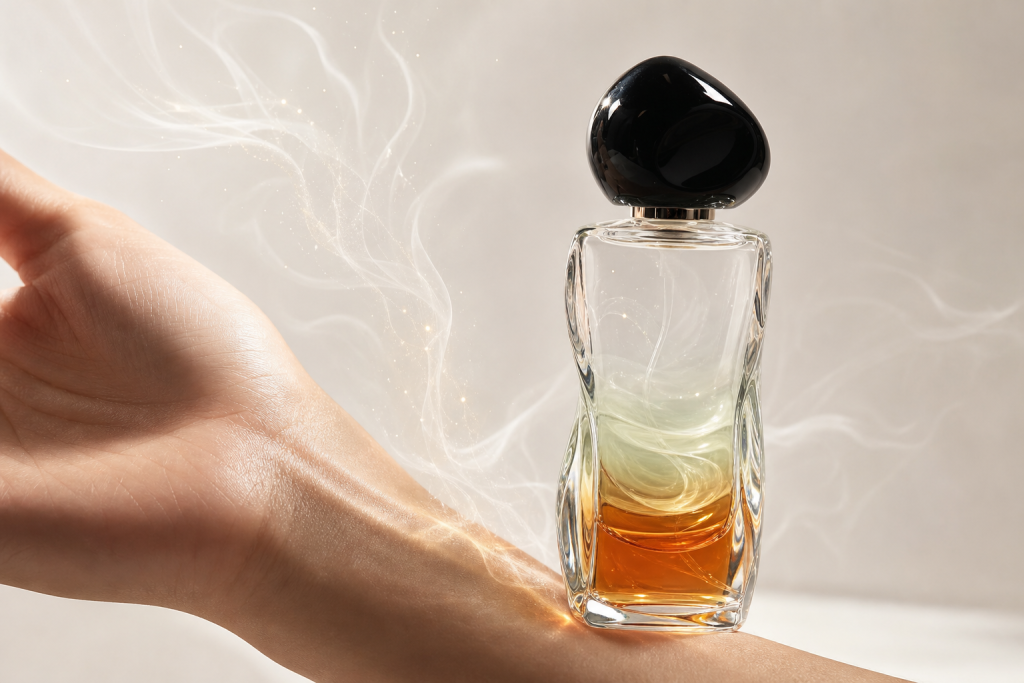
Parfum, sometimes called Extrait de Parfum, is usually the most concentrated style of fragrance. It tends to feel smooth, rich, and long-lasting. Because it is dense and luxurious, it often sits closer to the skin rather than filling an entire room.
This makes Parfum a strong choice for evenings, special occasions, or anyone who wants elegance without overwhelming projection. It is often more expensive because it uses a higher proportion of fragrance materials.
Eau de Parfum
Eau de Parfum, or EDP, is one of the most popular fragrance formats today. It offers a balanced middle ground between longevity and wearability. For many people, EDP is the easiest category to start with because it performs well without feeling too heavy.
An EDP can last for many hours, depending on the formula and the wearer’s skin. It is often ideal for daily use, dinner plans, and events where you want your fragrance to be noticeable but still refined.
Eau de Toilette
Eau de Toilette, or EDT, is usually lighter and brighter than EDP. It often opens with a fresher, more energetic feel, which makes it especially popular for daytime wear and warm weather.
EDT is a smart choice if you prefer a scent that feels clean, easy, and understated. It may not last as long as stronger concentrations, but that can also be an advantage if you like to reapply or if you want a fragrance that stays in the background.
Eau de Cologne
Eau de Cologne, or EDC, is generally lighter still. It is often associated with crisp, refreshing scents that give an immediate sense of freshness. Because of its airy structure, it may fade more quickly than the other categories.
This style works well for quick refreshes, casual wear, and people who prefer a very light fragrance presence. It is especially useful in hot climates or when you want something simple and unobtrusive.
Parfum / Eau de Parfum / Eau de Toilette / Eau de CologneWhat Concentration Does Not Tell You
A common mistake is to assume that fragrance concentration alone predicts performance. In reality, many other factors matter just as much.
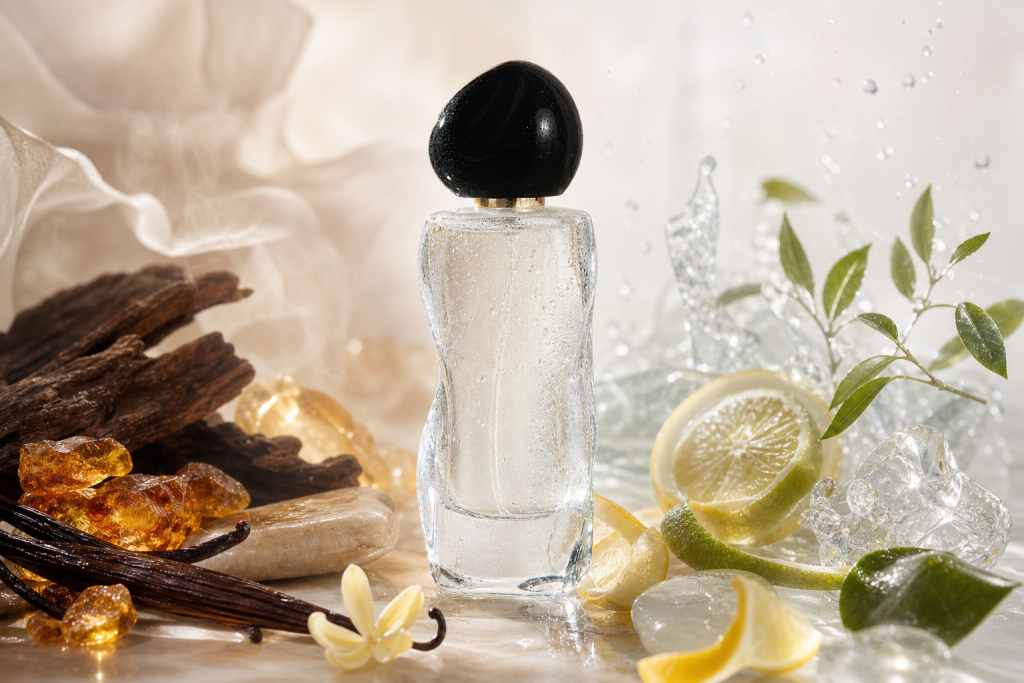
The note structure is one of the biggest. Citrus, watery, and green scents often feel lighter and disappear faster, while woods, amber, musks, resins, and vanilla tend to last longer and feel more substantial. Skin chemistry matters too. A perfume can smell soft and intimate on one person but fuller and stronger on another. Even temperature, humidity, and how you apply the scent can change the result.
This is why fragrance shopping should never rely on concentration alone. The label is a guide, not the final answer.
How to Choose the Right Concentration
For Everyday Wear
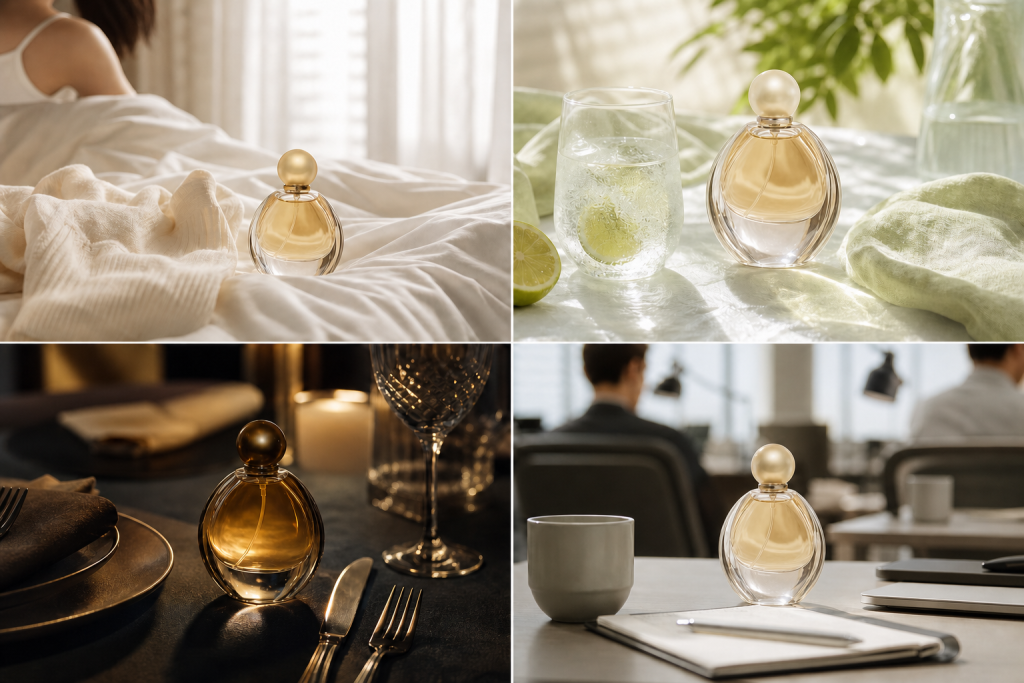
If you want one fragrance for regular use, Eau de Parfum is often the safest starting point. It is versatile, balanced, and suitable for many settings. If you prefer something lighter and more breathable, Eau de Toilette may feel more natural.
For Hot Weather
In warmer climates, lighter formulas can be more comfortable. Heat amplifies scent, which means a fragrance that feels soft in winter can feel much stronger in summer. EDT and light EDP styles usually work best when the weather is hot.
For Evening and Special Occasions
If you want a scent that feels more luxurious and memorable, Parfum or a richer EDP can be a better choice. These concentrations often suit dinners, formal events, date nights, and moments when you want a polished impression.
For Office or Shared Spaces
In offices, classrooms, and other shared environments, moderation matters. A fragrance that stays close to the skin is often appreciated more than one that projects aggressively. A soft EDT or a restrained EDP is usually the most considerate option.
How to Test Fragrance the Right Way
The best way to judge a fragrance is to test it on skin, not just on a paper strip. Paper can help you get an initial impression, but skin tells you how the scent really behaves. Give it time to move through the top, middle, and base notes before deciding.
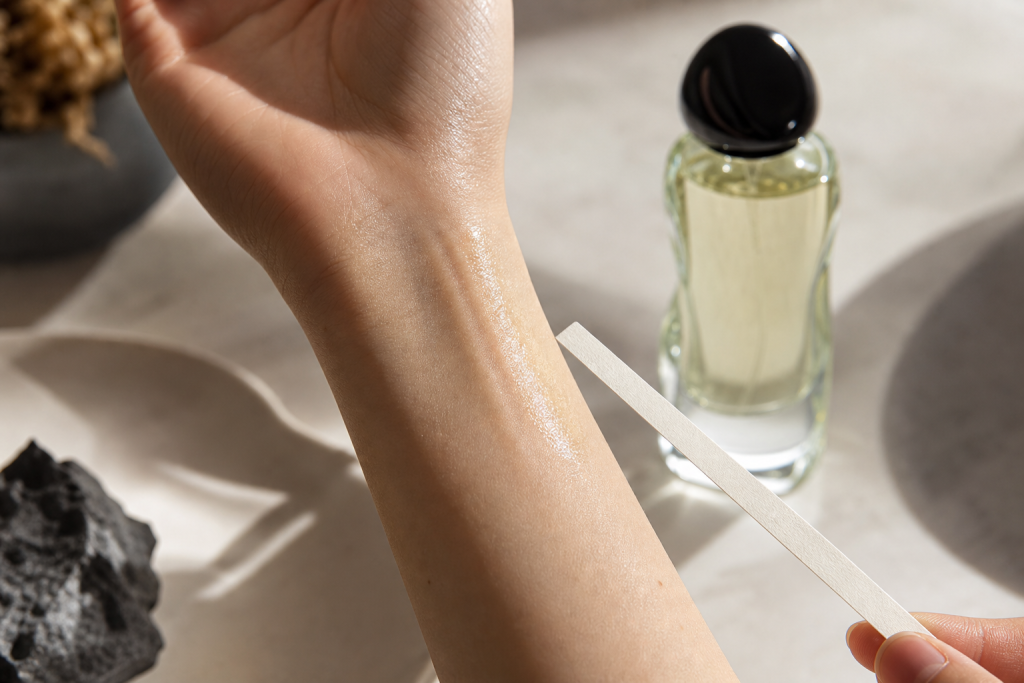
It also helps to wear a fragrance for a full day if possible. Some scents smell incredible at first but become too sweet, too sharp, or too faint later on. Others may seem quiet at the start and then develop into something beautiful and complex.
A Practical Rule of Thumb
If you want longevity and a richer feel, start with EDP or Parfum. If you want freshness and ease, start with EDT or Cologne. If you are unsure, choose the concentration that matches your lifestyle more than your assumptions about strength.
That is the real secret behind fragrance concentration. It is not about being louder. It is about being appropriate, balanced, and wearable.
Final Thoughts
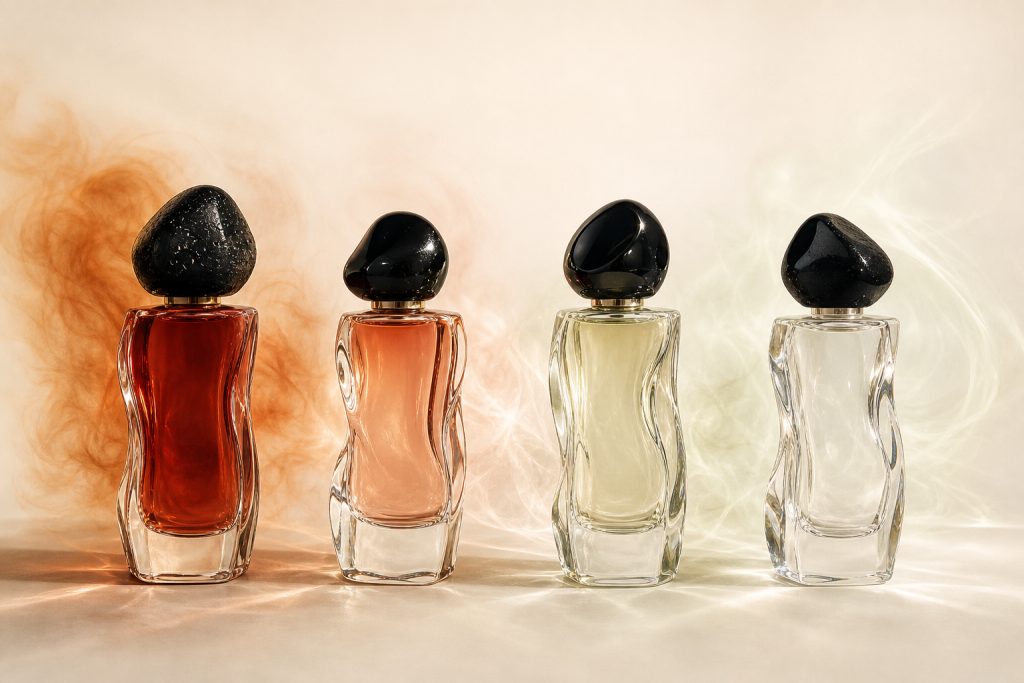
Fragrance concentration is one of the most useful things to understand when choosing perfume, but it should never be treated as the only factor. Parfum, Eau de Parfum, Eau de Toilette, and Eau de Cologne each offer a different wearing experience, and the right choice depends on your taste, your climate, and the way you want a scent to live on your skin.
If you understand concentration properly, you can shop smarter, wear fragrance more confidently, and choose scents that actually fit your life.
Editorial note: This article is written as a general fragrance guide and is based on common industry usage. Because brands do not always define concentration in exactly the same way, the best way to judge performance is always to test the fragrance on skin.