
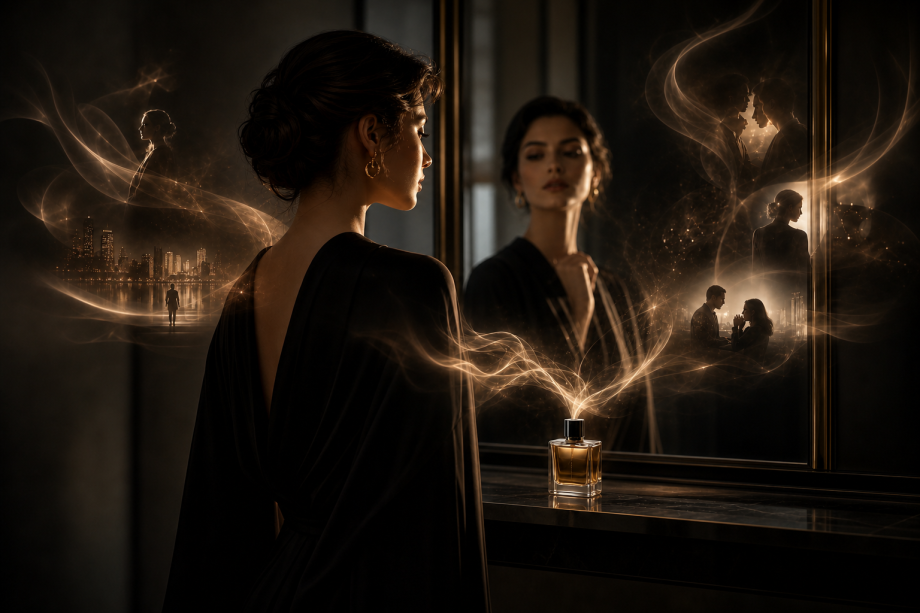
Why do we associate emotions with perfume? Have you ever caught a certain scent and suddenly thought of a person, a relationship, a season, or even a version of yourself you had not remembered in a long time? This powerful connection between perfume and emotions is rooted in the close relationship between scent, memory, and the brain.
Why Smell Is Closely Connected to Emotion
Among our five senses, smell is truly unique. As explained in a Harvard University article about scent, emotion, and memory, the olfactory system is closely connected to brain regions involved in emotional processing and memory. This helps explain why a scent can trigger a physical or emotional response before we have time to consciously analyze it.That is why, sometimes, we may not be able to accurately say where a certain scent comes from, yet we can immediately feel the emotion it brings:
“This scent makes me feel safe.”
“This fragrance reminds me of summer.”
“It feels gentle, but also a little distant.”
“When I smell it, I feel more confident.”
Scent enters the body quietly, yet reaches the heart quickly. It does not need to be explained in words, but it can create a direct and immediate feeling.This direct connection between scent and feeling helps explain why do we associate emotions with perfume so naturally.
Why Perfume Triggers Memories
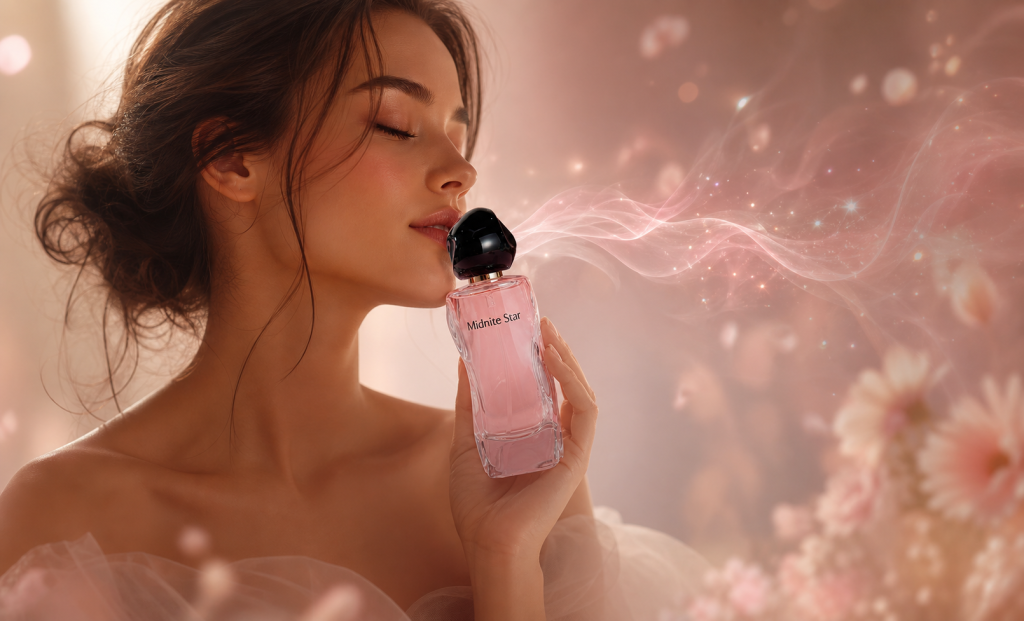
One of the biggest reasons we associate emotions with perfume is memory.Scents are often tied to scenes from the past. A particular fragrance may have once appeared during a trip, a love story, in a family home, or on someone important. Years later, when a similar scent appears again, those scenes feel as if they have been lit up once more.This is why perfume often carries a sense of time.A bottle of perfume may remind someone of the seaside on a summer evening, the nervousness and anticipation of a first date, the faint fragrance on a mother’s dressing table, freshly washed sheets in a new home, or a memory from long ago that still feels soft.
Perfume does not truly take us back to the past, but it allows the past to briefly reappear in our hearts. In that moment, what we smell is not only fragrance, but also the warmth of memory.Memory is one of the clearest explanations for why do we associate emotions with perfume.
Perfume Gives Emotion a “Shape”
This ability to translate abstract feelings into a sensory experience is another reason why do we associate emotions with perfume.Many emotions are difficult to describe clearly.For example, a sense of relaxation is not simply happiness. A cool, distant feeling is not merely coldness. A sense of security is not just one specific image. But perfume can make these abstract emotions feel tangible.A perfume built around citrus, green leaves, and tea notes may call to mind morning, cleanliness, lightness, and a fresh start. A fragrance with amber, musk, and vanilla may feel warm, intimate, and enveloping. A scent with woody, leather, or incense notes may suggest calmness, independence, restraint, or mystery.Perfume is like a translation of emotion. It turns feelings that are hard to explain into something that can be smelled, felt, and remembered.

How Perfume Expresses Who We Are
Perfume not only influences how we experience the world around us, but also how we experience ourselves.Many people choose a perfume not simply because they wonder whether others will like it, but because it helps them enter a certain state of mind.Before an important meeting, a clean, polished woody scent may help create a stronger sense of control. During a quiet weekend alone, a soft tea fragrance or white floral scent may help you slow down. Before a date, a warm and slightly sweet fragrance may make the mood feel gentler. While traveling, a bright citrus scent may make you feel lighter and more open.Perfume is a deeply personal form of self-expression. It does not need to be loud, yet it can quietly tell you: this is how I want to show up today.
Scent Creates Emotional Connections Between People
These personal scent signatures also help us understand why do we associate emotions with perfume and with the people who wear it.When we remember someone, it is often not only because of their appearance, their voice, or the things they said. Scent can also become part of how a person remains in our memory.A perfume someone wears for a long time may gradually become their “scent signature.” When we smell something similar again, we may think of their personality, their presence, their closeness, or a certain aura they carried.
This is also why perfume feels intimate.
Unlike clothing, it is not completely visible. Unlike language, it does not need to be spoken. Scent exists in the space between people: clearer when someone comes close, yet sometimes still lingering after they leave.Sometimes, a perfume is unforgettable not because it is especially strong, but because it once belonged to someone important.
Why Emotional Experience Matters to Perfume Brands
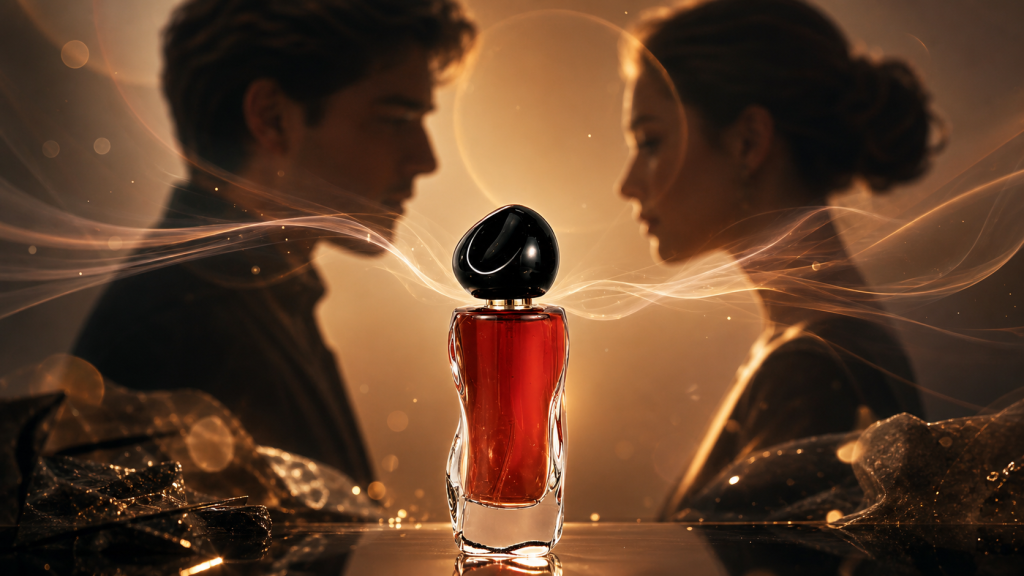
For a perfume brand, fragrance is never only a composition of top, middle, and base notes. What truly moves people is the emotional story behind it.When consumers choose a bottle of perfume, they are often searching for a feeling. They may be looking for confidence, comfort, ease, or attraction.Therefore, the value of a perfume does not only lie in the ingredients it uses, but in whether it can create emotional resonance.A good perfume makes people feel: this is not just a scent; this is the state of being I want to step into.
Why Perfume Is a Powerful Carrier of Emotion
We associate emotions with perfume because scent itself has a special power.It can bypass the defenses of reason and touch our feelings directly. It can awaken memory. It can give shape to abstract emotions. It can also help us express ourselves and connect with others.Perfume is not simply about covering the body with a pleasant smell. In everyday life, it leaves a delicate trace of emotion.When we choose a bottle of perfume, perhaps we are choosing more than “how do I want to smell today?” We are also asking:
How do I want to feel about myself today?
What kind of impression do I want to leave?
What kind of emotion do I want to be surrounded by?
This is exactly what makes perfume so captivating. It is invisible, yet memorable. It is light, yet powerful enough to change the mood of a single moment.Ultimately, why do we associate emotions with perfume comes down to the unique relationship between scent, memory, identity, and human connection.